Writing Prompts for Rainy Days: 30 Ideas to Beat Procrastination
Rain is honest weather. It cancels the walk, dulls the light and leaves you indoors with nothing urgent to do, which ought to be perfect writing conditions and often isn't. The notebook stays shut on the arm of the chair. You make a second cup of tea, tidy a shelf, check the windows. The afternoon goes.
The blank page isn't the problem. Too much choice is. One specific thing to write about removes the decision, and the decision is where most of the stalling happens. What follows is thirty prompts built for wet, grey days, plus a few ways to keep going when the first line won't come.
Why Rain Helps More Than It Hinders
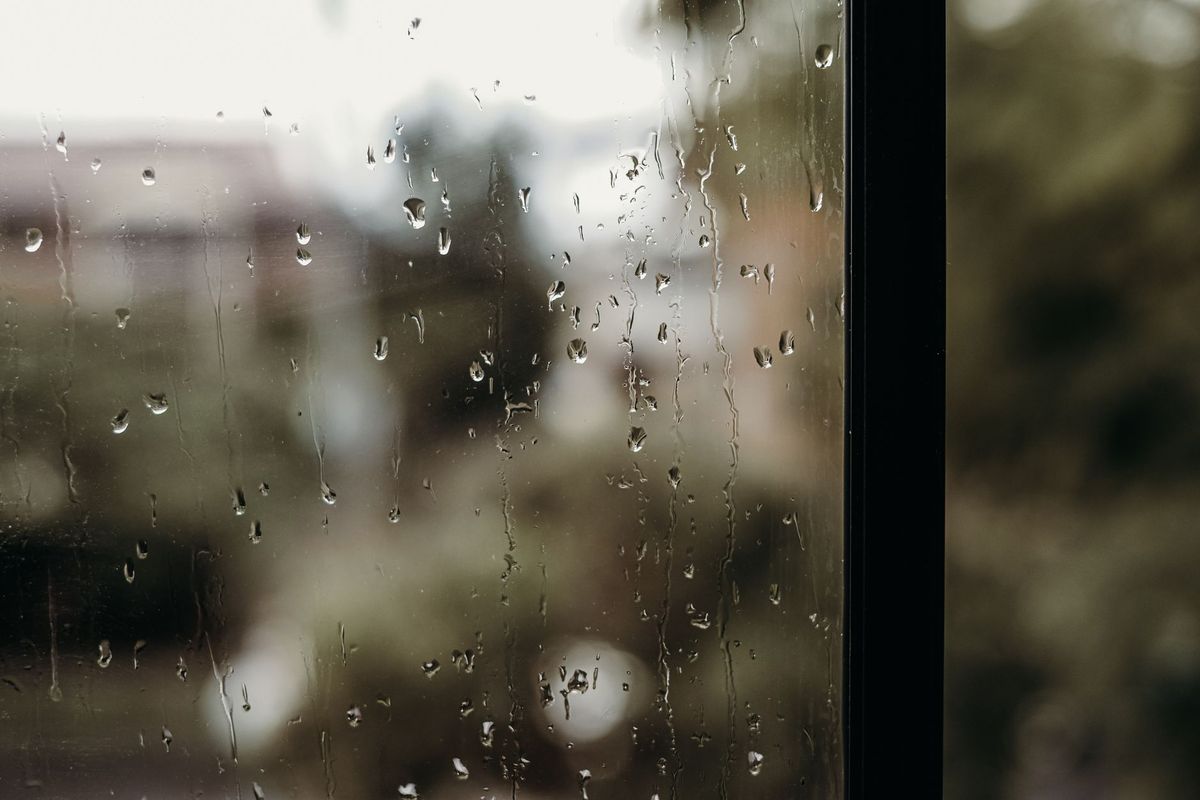
Bad weather gives you permission to stay put, and staying put is half the work. There is no garden calling, no errand worth the soaking. Rain also hands you free material: the sound on a window, the smell of a wet coat, the particular grey light that makes a room feel smaller. Writers spend hours hunting for detail like that.
The mistake is waiting to feel like writing. Mood tends to arrive three or four sentences in, not before. Treat the first paragraph as scrap and the rest gets easier.
How to Use These Prompts
Read the list, choose one prompt, then close the page. Reading all thirty is a respectable way of avoiding the work.
- Ten minutes, one prompt. Set a timer and stop when it rings. If you're still going, carry on.
- Write by hand if you can. Slower is fine. Slowness keeps you closer to the thought.
- Don't edit. No crossing out, no reaching for a better word. Tidy it another day, or never.
- Date the page and note the prompt number. Five seconds now, gratitude later.
- Stop mid-sentence if you like. A loose thread makes tomorrow's start much easier.
If you keep a journal rather than a writing notebook, the same prompts work. Aim for honest rather than polished.
Thirty Prompts for a Wet Afternoon
Work down the groups or jump to whichever one pulls. The numbers are only for keeping track.
Weather and Memory
- The last time you got properly soaked. Where were you going, and what happened next?
- Describe the sound of rain on a surface you know well: a car roof, a greenhouse, a tent, an umbrella.
- A storm you remember from childhood. Write only what you could see from one window.
- Your ideal weather for staying indoors, and the exact room you would choose.
- A rainy day when something good happened, however small.
- What your childhood home smelled like in the rain. Chase the first three smells that arrive.
- Rain in a city you have visited. Write a paragraph with no people in it, only objects.
- A cancelled plan that turned out better than the original.
The Room You're In
- Everything on the nearest surface to you. List ten items, then write one line about each.
- The last thing you wrote by hand that wasn't a list. Reconstruct it from memory.
- Your view from the window, described to someone who has never visited your town.
- Three sounds you can hear right now, then three you can only imagine.
- Follow a cup of tea going cold for two minutes.
- What are you avoiding today? Write about it in the third person.
- Describe your desk as though it were a landscape.
Fiction Starts
- A stranger knocks during a downpour and asks to wait in your hallway. Three lines of dialogue.
- The first paragraph of a story set in a lighthouse during a storm. Use one weather word, no more.
- A detective who hates the rain. Show it without saying it.
- Two people share an umbrella and only one wants to be there. Five sentences.
- A village where it rains every Tuesday. Someone decides to break the pattern.
- Begin with: "The forecast was wrong, and for once I was glad."
- A character finds a note in a borrowed coat pocket. Write the note, then their reaction.
- Rewrite a fairy tale as a rainy day, in under 150 words.
Lists and Small Truths
- Ten things you would happily do on a wet Sunday.
- Five things you have been meaning to write down for weeks. Put them in any order.
- Things that are better in the rain. Aim for twelve.
- Three questions you would like answered by this time next year.
- A paragraph that begins "I used to think" and ends with what you think now.
- One sentence for each season, all about the same place.
- Write tomorrow's weather forecast as though it were a promise.
When Nothing Comes: Three Rescue Moves
Some afternoons the prompts sit there like stones. Try these in order.
- Shrink the ask. Write one sentence about the rain outside. Then one more. Two sentences are a page begun.
- Borrow a line. Copy the last sentence of a book within reach, then write five lines that follow it. This is scaffolding, not theft.
- Change the tool. If you have been typing, pick up a pen. If you have been writing by hand, type. The change of pace usually shakes something loose.
A fourth option: read last month's pages. A half-finished thought is often more use than a fresh prompt.
Keeping the Pages in Order
Prompts only help if you can find what you wrote. Number your pages, keep a simple index at the back, and jot the prompt number beside the date. Once a month, read back through and circle anything worth returning to. Most of it will be ordinary, and that is the point: you are building a record of ordinary days, which is what a notebook is for.
If a prompt turns towards something heavier, such as money worries, your health or a difficult relationship, write it down and then talk to someone. A notebook is a good place to think. It is not a substitute for proper advice from a GP, a solicitor or a qualified adviser.
Make the Weather Your Trigger
Keep a small notebook where you will see it when the sky turns: by the window, in the bag you take everywhere, on the kitchen table. The next time rain stops you going out, open it at a fresh page, take one prompt from this list and write for ten minutes. Then close the notebook.
That is the whole habit. No app, no streak to maintain, no guilt if a fortnight passes. Wet days come round often enough, and thirty prompts will carry you a fair way. By the time you have worked through them, you will have picked up a few of your own.
Photo: Valeriia Miller / Pexels